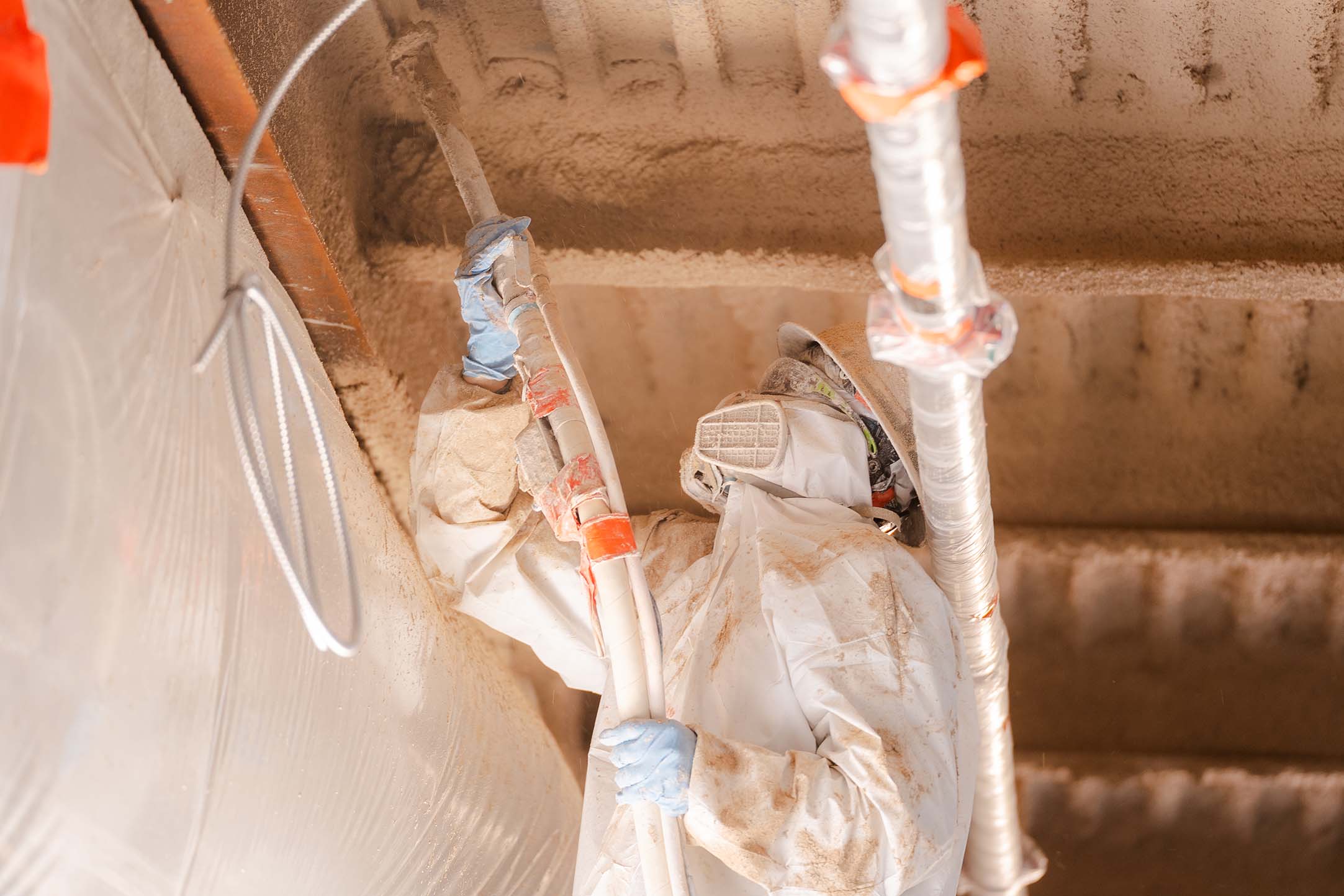
Firestopping
Key Firestopping Techniques Explained
Firestopping is a critical element of modern construction, and yet it’s often one of the most overlooked. In the event of a fire, the difference between a well-sealed penetration and a compromised barrier can be measured in minutes—the very minutes that allow people to evacuate safely and first responders to act effectively.
At its core, firestopping involves sealing openings and joints in fire-rated walls, floors, and ceilings. These penetrations are typically created to allow for the passage of pipes, cables, ducts, or structural components. While necessary for building functionality, they also represent potential pathways for flames, smoke, and toxic gases to spread rapidly through a structure. That’s where firestopping comes in: by applying the right materials and methods, these gaps are transformed back into fire-resistant barriers.
Common Firestopping Methods
-
Fire-Resistant Sealants
Specially engineered caulks and sealants are applied around smaller penetrations like cables or conduit. These materials expand under heat, creating a robust barrier that blocks fire and smoke migration.
-
Firestop Mortar
Used for larger openings, firestop mortar provides a dense fill that can handle significant penetrations such as grouped cables or pipe bundles. Its durability makes it ideal for areas subject to heavy use.
-
Wraps and Collars
For plastic pipes or other materials that can melt quickly in a fire, intumescent wraps and collars are applied. When exposed to high temperatures, these materials expand dramatically, crushing and sealing off the opening as the pipe melts away.
-
Pre-Formed Devices
In many modern installations, pre-engineered firestop systems are used. These provide consistency, speed of installation, and the reassurance that each application meets tested performance standards.
Why Proper Firestopping Matters
-
Code Compliance: Firestopping is not optional—it’s a requirement of national and local building codes. Inspections often focus on these systems to ensure ongoing safety.
-
Life Safety: A properly firestopped building gives occupants the time they need to escape safely during a fire emergency.
-
Asset Protection: Beyond saving lives, these systems reduce property damage by compartmentalizing a fire and preventing it from spreading unchecked.
Premium’s Approach to Firestopping
At Premium, our firestopping experts apply solutions tailored to each project’s unique needs. We don’t take a one-size-fits-all approach. Instead, we assess the type of penetration, surrounding materials, and code requirements before selecting the right system. Every application is installed with precision and documented for compliance.
By ensuring that these protective barriers are correctly implemented, we not only protect property but also safeguard lives—delivering peace of mind to building owners, contractors, and occupants alike.
Leave a Reply